
A poetic, collage-like portrait of life in the wake of immeasurable loss, IN LOVE, IN MEMORY traces the everyday movements of a mother gathering cherished memories of her family and unearthing interrelated stories of violence in her hometown. Shalon Buskirk’s advocacy orbits around her firstborn son, Parris Jerome Lane, whose murder in 2017 marked the end of an unprecedented year of gun violence and housing instability in Allentown, Pennsylvania. To memorialize her son and connect his story to the enduring systemic racism of a post-industrial city, Shalon collaborates with an intergenerational ensemble of Black women. An artist pens a poem for Parris, a historian sifts through Allentown’s haunting legacy of housing discrimination, and an activist struggles to remember her trailblazing battle for fair housing in the 1960s. An impressionistic counter-narrative that refuses to follow the expectations of True Crime, IN LOVE, IN MEMORY refracts quiet scenes of artistic intervention, collective storytelling, and tender remembrance through a prism of passing time.



DIRECTORS’ STATEMENT
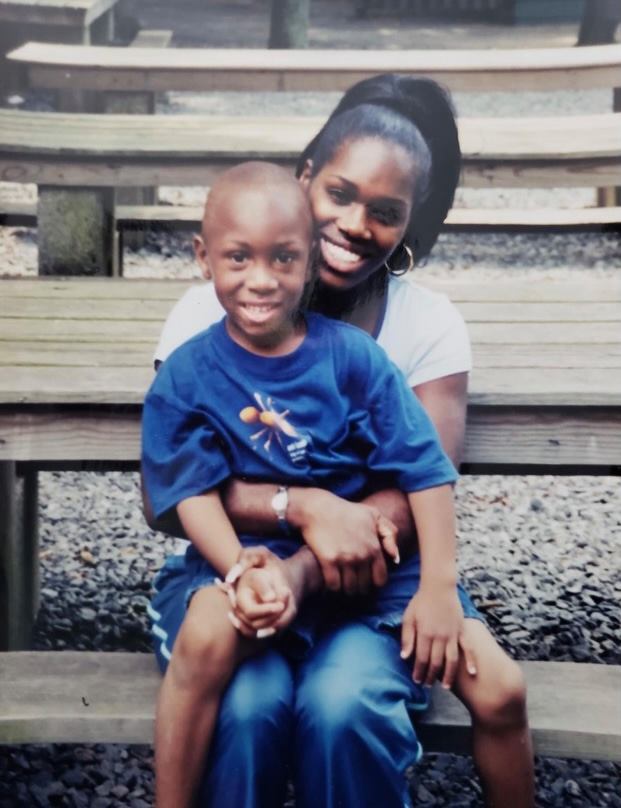
Parris Jerome Lane was born in Allentown, Pennsylvania on December 19th, 1997. The impact of his life and the reverberations of his death are at the center of our film, as we tell a story of enduring grief that begins with Shalon’s recollections of her firstborn son and seeps into the legacies of loss in her hometown.
In 2017, Parris’ death marked the end of an unprecedented year of gun violence in Pennsylvania’s third largest city. While this immeasurable personal loss shook the local community, a smaller story from that same year felt obscured from view: at the beginning of 2017, eleven months before Parris was killed in the parking lot across from City Hall, Allentown was reported to have the highest rent-to-income ratio in the United States, the direct result of an aggressive, decade-long revitalization campaign in the heart of the city.
Since these two stories were never reported together, the film intervenes by formally engaging these urgent national topics – gun violence and housing justice – as parallel stories that affect our sense of home, our safety, and our access to memories. Prior to becoming co-directors on this film in 2019, we connected through community organizing work in Allentown. Many of the questions we were asking in those spaces laid the foundation for the film’s central inquiries.
The documentary’s genesis in organizing spaces shaped our decision to intertwine the narratives of gun violence and housing justice. It also empowered us to craft an ethical foundation that takes seriously the risk of retraumatization and the necessity of centering the desires of Parris’ family over the profit-driven demands of True Crime, one of the most prevalent and lucrative genres in American media. Two frameworks emerged for us – an abolitionist politic and a solidarity ethic. The first is an approach that refuses to give legitimacy to criminality as a “stabilizing narrative”, which Pooja Rangan and Brett Story identify in “Four Propositions on True Crime and Abolition”, while the latter is an ethical engagement that heeds the urgent industry-wide shift Sonya Childress identifies in “Beyond Empathy”, troubling the notion that empathy should be the central impulse for documentary filmmaking.
Within these local questions and formal frameworks we rendered IN LOVE, IN MEMORY – a counter-narrative that centers the persistent dreams that Shalon has for her son and her city, and ultimately troubles True Crime as the dominant narrative for telling stories of traumatic loss.
– Shalon Buskirk & Drew Swedberg
 in love, in memory